
Buying guide
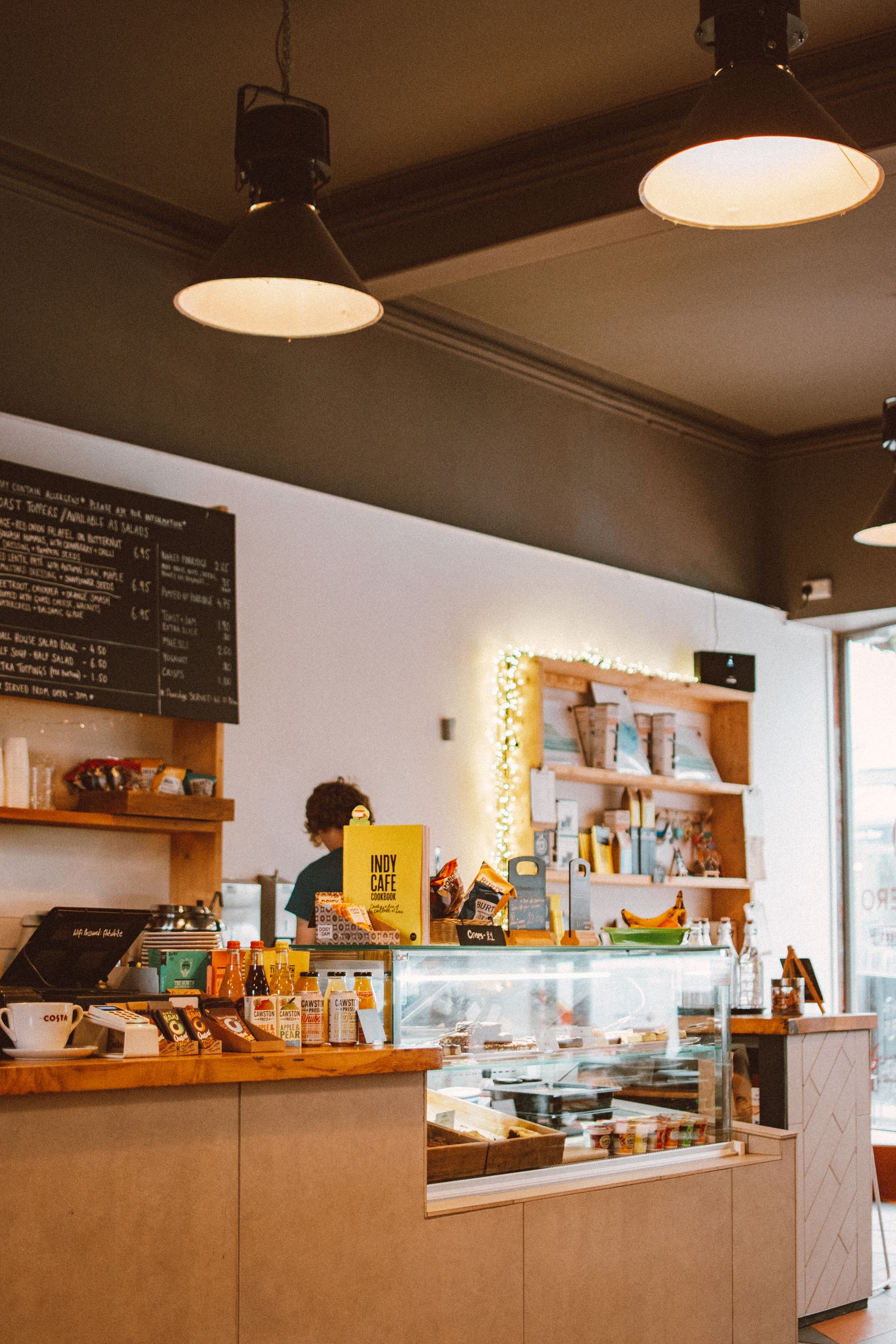
A small café does not need every machine in the catalogue. Start with what you will prepare, your busiest service period and the space and services available. Build a shortlist around those jobs, then choose equipment that fits them.
The examples below are options to compare, not a compulsory shopping list. You may need some now and others only if your menu develops.
Start with the menu and the busiest part of service
Write down the drinks and dishes you will make on site, what arrives ready to serve, what needs chilled storage and how many orders staff will prepare at once. Sketch the route between storage, preparation, cooking, serving and washing up. A machine earns its space when it supports that routine.
| What you plan to serve | Consider first | Can wait if the menu does not need it |
|---|---|---|
| Drinks only | A brewing setup matched to the drinks menu and service pattern, storage suited to the ingredients, and appropriate washing arrangements. | A griddle, sandwich-preparation counter or mixer. The batch coffee products below do not provide an espresso menu. |
| Sandwiches and cold food | Chilled ingredient storage, a preparation surface and washing arrangements that suit the workflow. | Hot cooking equipment or a mixer if you do not cook or mix on site. |
| Hot food | Cooking equipment matched to the menu and peak workload, with storage, preparation space and suitable site services. | Extra cooking zones or larger mixing equipment without a clear menu or workload reason. |
Compare equipment after the workflow is clear
Use these five categories to check your plan. Choose only the functions your café needs.
1. Coffee equipment that matches your service
Think about how your customers order coffee: one drink at a time, or a batch for meetings, breakfast service or self-service. A coffee percolator and a filter coffee machine are different options from an espresso setup. Compare the differences in our coffee percolator, filter machine and thermal urn guide.
Our 10L coffee percolator has a listed minimum fill of 5 litres, so check that the batch size suits demand. The auto-fill filter coffee machine includes a 2.5-litre airpot and requires a mains water connection; it has no manual-fill option.
2. A griddle for a hot-food menu
If your menu includes cooked breakfasts, burgers or grilled vegetables, consider the cooking surface you need during your busiest service. Compare usable plate space and surface type as well as the overall size.
The 3kW smooth and ribbed electric griddle combines smooth and ribbed cooking areas. Check its connection requirements and your kitchen’s ventilation arrangements before choosing it. An electric appliance still needs suitable installation planning. Our gas or electric griddle guide explains the checks to make before shortlisting.
Consider later if: your menu has no on-site hot-food preparation.
3. Refrigeration for ingredient preparation
Plan where ingredients will be stored and how staff will reach them during preparation. A refrigerated preparation counter may be useful for a sandwich menu, but it is not automatically the right choice for every café.
Our glass-display saladette combines refrigerated storage with a preparation area. GN containers are not included, so account for those separately. Confirm fit, access and the food-storage requirements of your menu before ordering. Compare storage layouts in our upright fridge versus refrigerated counter guide.
4. A mixer if you prepare food in-house
If you make batters, icing or dough, choose a mixer for the actual recipe and batch size. Bowl volume alone does not tell you the permitted ingredient load.
The 10L planetary mixer includes a dough hook, beater and whisk. Check the model’s permitted loads and operating instructions for the mixture you want to make; a larger bowl is not a reason to exceed them. Our café planetary mixer guide takes you through the selection checks.
Consider later if: your menu does not need in-house mixing.
5. A suitable washing-up area
Include washing-up space in the layout from the start. Check bowl arrangement, water and waste connections, and what comes with the sink.
The double commercial sink is supplied flat-packed without a tap. A product choice alone does not establish that your café’s washing and hygiene arrangements are complete.
Check the space and services before ordering
- Measure the complete delivery route, the final position and room to open doors or drawers and work and clean around the equipment. Overall product dimensions alone are not an installation plan.
- Check electrical supply, connection method and the exact model’s ventilation requirements before choosing a position. Ask a suitably qualified installer where required; do not assume that countertop equipment uses an ordinary socket.
- For plumbed equipment, check water and waste arrangements and the fittings included. The auto-fill coffee machine above has no manual-fill option.
- Allow for the accessories your menu needs. Check included items carefully: the saladette excludes GN containers and the sink excludes a tap.
- Compare equipment costs alongside separate installation, accessories and receiving requirements, rather than treating the product price as the whole setup cost.
Build a shortlist for your menu
Choose the functions you need now, then compare exact models against your menu, space and installation needs. Keep the specialist guides above alongside your shortlist rather than buying all five equipment types.
Need help narrowing it down? Ask KitchenLynx with the products or model codes you are considering, your site question and delivery postcode. You can also browse the current catering equipment range.